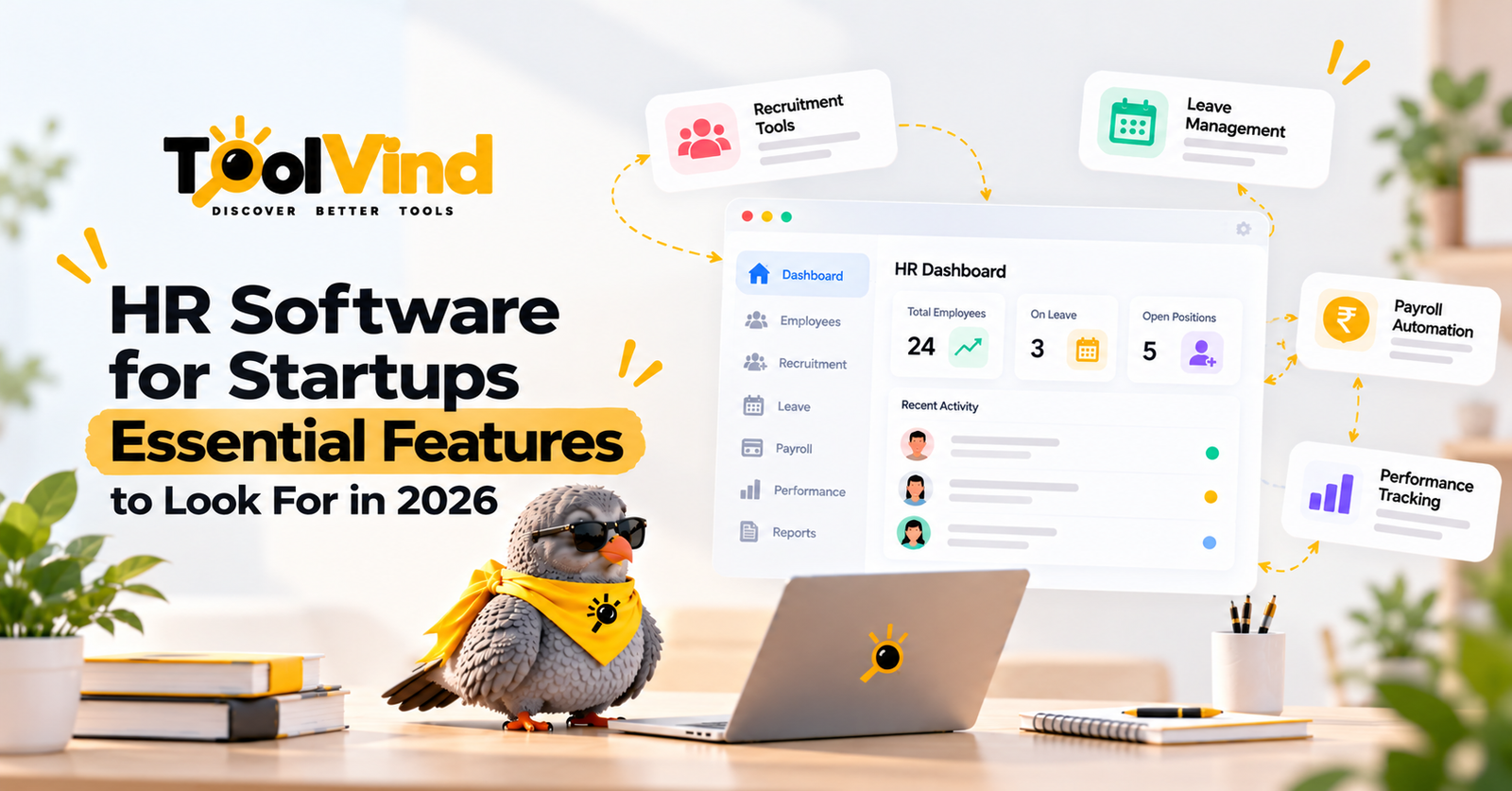
HR software for startups should help the company manage its next stage of growth without making every employee update a major administrative task. Early needs usually center on dependable records, onboarding, leave, and clear approvals. More advanced modules can wait until the business has a process worth supporting. In 2026, evaluate the practical foundation before paying for an extensive suite or AI feature set.
Quick answer: Prioritize employee records, permissions, onboarding, leave workflows, self service, reporting, and payroll handoffs. Check migration and the cost of growth. Add recruitment, performance, or AI modules when the team has a defined use for them.
HR Software for Startups and Employee Records
Choose a record structure that supports current roles and likely changes. Keep the required fields clear, remove duplicate records, and decide who owns updates. A startup should be able to identify the correct employee information without consulting several spreadsheets or asking the founder where the latest document is stored.
Role Based Permissions
Test founder, HR, manager, and employee access. People who need the company directory should not automatically receive access to confidential documents. Review how permissions change when a person becomes a manager or moves teams. A small company still needs clear boundaries around employee information.
Repeatable Onboarding
Use simple templates for equipment, documentation, orientation, and account requests. Assign owners instead of making HR responsible for every step. Check how the system handles a changed start date or a role with different access needs. Good onboarding software makes incomplete work visible rather than just issuing a welcome message.
Leave and Basic Approval Workflows
Choose a process employees can understand and managers can maintain. Configure policies and starting balances with the appropriate review. Test part-time schedules or remote locations if relevant. Avoid a complicated approval chain for routine requests unless the business actually needs it.
Payroll and Identity Connections
Verify which providers and locations the integrations support. Ask how approved employee changes reach payroll and how access requests reach IT. Keep automatic account provisioning within the established authorization process. A startup growing quickly should not grant broad access simply to make onboarding fast.
Useful Reports and Data Portability
Begin with reports HR and founders will use, such as headcount, upcoming starts, and incomplete onboarding. Agree on definitions and reporting periods. Test exporting records and documents. The business should understand whether it can move systems as needs change without losing essential history.
AI Features With a Defined Purpose
If a vendor offers AI, test a specific application such as drafting an internal answer from an approved policy. Check source quality, confidentiality, and correction effort. Do not assume an AI recommendation is appropriate for employment decisions. A reliable record and approval process remains the foundation.
Pricing That Fits Growth
Compare minimum fees, modules, implementation, and per-employee charges at current and expected team sizes. Ask what happens when you add locations or additional administrators. Choose a configuration your small team can maintain without constant external help.
An Illustrative Implementation Example
A startup preparing to hire ten people could pilot onboarding for two different roles. Include a remote employee, a changed start date, and a manager responsible for several tasks. Test the employee's view, the manager's pending work, and payroll input preparation. The pilot should show whether the company can repeat the process accurately as hiring increases, without making the founder the person who resolves every missing detail.
Practical Evaluation Checklist
Test HR, manager, and employee permissions separately.
Validate current policies and starting records.
Include a new starter, changed manager, and departing employee.
Reconcile the payroll or identity-system handoff.
Assign owners for sensitive changes and incomplete workflows.
Explore Relevant Software With Toolvind
Use Toolvind's software categories and product directory as discovery starting points. Build a shortlist around the workflow described in this guide, then confirm current capabilities, local availability, and terms with each vendor. A directory listing is the beginning of evaluation; your own requirements and pilot determine the fit.
Conclusion
HR software for startups should support reliable records and repeatable everyday processes. Add modules when there is a defined need and check permissions and growth costs from the beginning.